
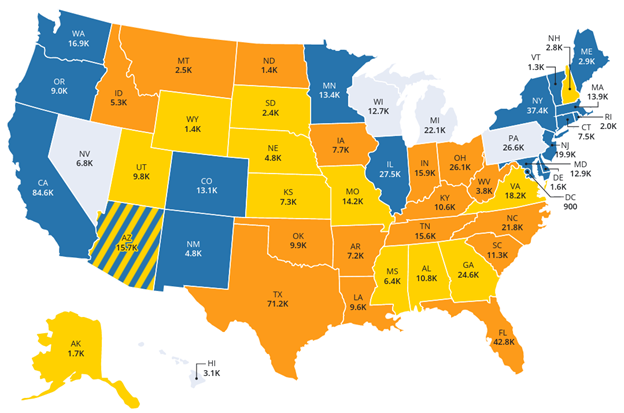

382,800 trans youth live in 29 states with a restrictive law or policy
53% of all transgender youth (and their families) in the United States live in a state where at least 1 type of restrictive law or policy restricts or prohibits gender-affirmation of minor children and youth.
These laws, policies, and the fear they inspire have severely limited the ability of parents, family, and allies of trans-spectrum children and youth to find information, education, and support systems without the threat of reprisal and even prosecution for simply loving their child enough to want to know more.
Check the gender diversity online education laws/statutes in your state
Courses offer Education, Support, Parenting, and Advocacy subject matter only.
Course content DOES NOT include medical referral coordination or advice.
Jenn Burleton brings more than two decades of experience delivering child, youth, and family-focused gender diversity education in virtual formats through Burleton Education, including live online trainings and recorded learning content. She co-developed and formerly co-directed the Gender Diversity in Children and Youth (now the Trans Youth Support & Advocacy Certificate) continuing education certificate at Lewis & Clark Graduate School of Education & Counseling, a multi-month program delivered through online coursework.
Jenn wants to share that experience and educational content with YOU in an affordable, accessible, and security-aware way.
These online, small-cohort (maximum of 20 participants) gender diversity education classes from Burleton Education offer individuals practical, evidence-aware content intended to build personal knowledge, professional expertise, and durable competence—without the scheduling, travel, or disruptions to personal life that come with attending a live training.
Do you:
NO PROBLEM. We got you.
Participants will learn from both Burleton Education-curated content and shared cohort experience through a weekly, 3-hour online class. Curated class content can be revisited via Google Classroom, making this an ongoing reference tool—not a one-time event.
The value is amplified by Burleton Education’s focus on applied skills and implementation: learners will come away not just “understanding” gender diversity, they will practice what to do and say in high-stakes moments—how to correct a mistake, set boundaries with opponents of gender affirmation, respond to unwanted disclosure, and escalate concerns appropriately.
For those of you with gender diverse, gender exploratory, or trans+ spectrum children (of any age), these courses can provide you with answers to your questions, a respectful, evidence-based discussion of your uncertainties and concerns, and background information on the rich history of natural variations in human gender diversity and ways to navigate family, community, and cultural challenges your or your child may be facing. Course content will include information and education related to gender identity development, social-transition considerations, evidence-aware gender-affirming care, and other in-depth subject matter.
These courses will give you the insight, perspective, and competence necessary for being an effective and engaged ally, particularly in the current state of federal and state persecution and oppression of trans, nonbinary, Two-Spirit, and other gender diverse populations.
The courses can be paired with employer/volunteer organization policy and process guidance to strengthen your personal understanding of legal compliance, reduce risk, and improve communication and job satisfaction within your workforce team.
Though gender diverse people haven’t always been called “transgender” or even “transsexual”, the history of self-identity and expression that diverged from the restrictive expectations of misogynist, patriarchal, and mythological expectations dates back to before recorded human history. This learning module explores what we now understand to be natural variations in gender identity, expression, and developmental human sex biology.
Antiquity abounds with discussion of gender diversity, sexual ambiguity, and socially acceptable gender roles. Plato’s Symposium (for example), includes mythical dialogues between Socrates and Aristophanes about three primordial human sexes: male, female, and hermaphrodite/androgynos.
Islamic medical discourse includes Ibn Sina’s (Avicenna) discussion about intersex categories (khuntha) and sexual ambiguity.
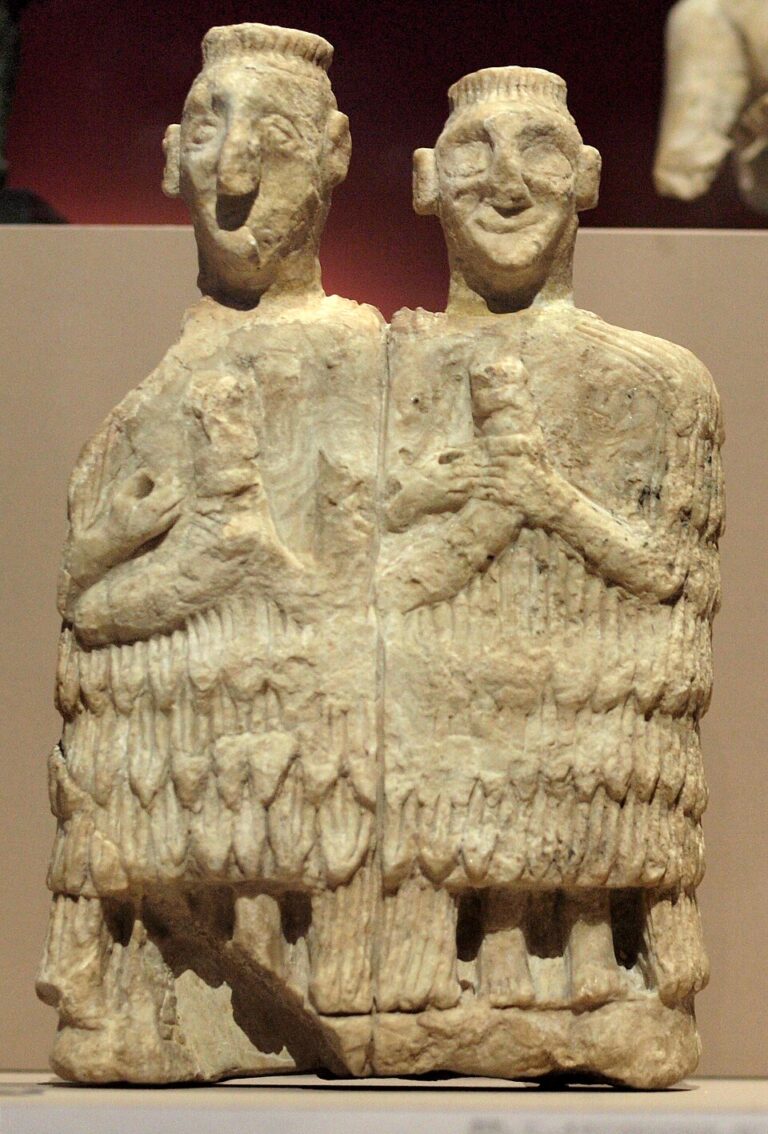
Dating back to 2,500 BCE in Sumeria (well before Plato, Aristotle, Ibn Sina, and certainly, Horace Mann), evidence exists that information sharing about people who expressed gender in ways outside of social or cultural norms was both commonplace and part of cultural rituals.
So, why is acknowledging historical and contemporary gender diversity in 21st-century classrooms treated as something new, forbidden, contagious, or threatening?
Burleton Education’s online gender diversity classes offer parents, caregivers, and allies a clear, structured foundation for understanding transgender and nonbinary experiences in childhood and adolescence—without the overwhelm.
Participants in the cohort learn practical language, core concepts, and developmentally appropriate ways to support a young person’s wellbeing at home, at school, and in community settings. The online format makes it easier to access reliable, evidence-aware education from a variety of sources, revisit key topics, and build confidence through real-life examples and guided discussion with cohort members.
Just as importantly, the classes help families translate good intentions into day-to-day support: how to talk with children and teens about identity and safety, navigating chosen names and pronouns and privacy with relatives and schools, responding to disinformation, and advocating effectively when systems create barriers.
The goal is durable, calm competence—so caregivers and allies can reduce stress, strengthen trust, and help young people feel seen, protected, and supported.